
On Valentine’s Day, conversations often focus on love and connection. But when it comes to heart health, love is practical. It is preparation, awareness, and the ability to act quickly when a life is at risk.
Sudden cardiac arrest does not announce itself. It can happen at home, at work, on the sports field, or in a public space. In those moments, the difference between life and death often comes down to what happens in the first few minutes before emergency services arrive.
“In cardiac emergencies, minutes matter,” says Xander Loubser, advanced life support paramedic at BestCare Ambulance Service. “Early cardiopulmonary resuscitation (CPR) and rapid defibrillation significantly increase survival chances.”
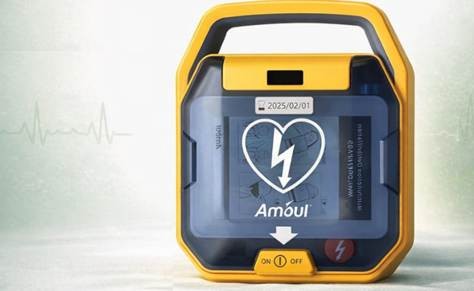
An Automated External Defibrillator (AED), used quickly and correctly, can restore a normal heart rhythm and buy critical time until advanced care arrives.
AEDs are designed for use by the general public, not just medical professionals. They provide clear voice prompts and guide users step by step, making them effective even in high-stress situations.
Yet equipment alone is not enough. Rapid identification, accurate location, and immediate communication remain critical elements of effective emergency response.
“Heart health and preparedness for cardiac emergencies must be treated as a national priority,” states Ruan Vermaak, communications manager at CrisisOnCall. “Awareness alone is not enough.
When awareness is matched with the right equipment, effective identification, and a rapid response, lives are saved. The goal is to ensure everyone knows what to do and feels empowered to act during a cardiac emergency while professional help is en route.”
This is where CrisisOnCall plays a vital role in strengthening the chain of survival. Through its 24-hour emergency call centre, trained operators can guide callers through life-saving actions until emergency services arrive. CrisisOnCall’s identification solutions, including its armband and mobile app, ensure that emergency responders have quick access to essential medical and contact information when a patient cannot speak for themselves.
“In an emergency, confusion costs time,” says Vermaak. “When responders know who you are, where you are, and what support you need, outcomes improve. Effective identification and fast communication can quite literally save lives.”
The message aligns with broader February cardiac awareness initiatives that highlight both the importance of cardiovascular professionals and the role of rehabilitation in recovery. However,
CrisisOnCall emphasises that being prepared for cardiac emergencies should not be limited to awareness weeks alone.
On a day associated with love, CrisisOnCall encourages South Africans to think about what love looks like in practice. Knowing how to respond, ensuring access to AEDs, and having effective identification in place may one day help save a life.
As part of the campaign, AED South Africa has committed to donating one automated external defibrillator (AED) to Bokgabane NPC and selected local charities for every 20 units sold. Bokgabane operates community-based sports and education programmes, where access to emergency equipment can play a critical role in protecting participants, staff, and visitors alike. This initiative will help ensure that life-saving equipment reaches communities that may otherwise not have access.
“This commitment will make a meaningful difference in communities where access to emergency equipment can save lives,” says Willie du Plessis, Head of Legal at Bokgabane NPC. “We are grateful for AED South Africa’s support and their practical contribution to improving cardiac emergency preparedness.”
For more information about CrisisOnCall, visit www.crisisoncall.co.za, and follow them on social media:
Facebook: https://www.facebook.com/CrisisOnCall
Instagram: https://www.instagram.com/_crisisoncall/
For more information on AED South Africa: www.aedsouthafrica.co.za
For more information about Bokgabane NPC: https://bokgabanesport.co.za/