
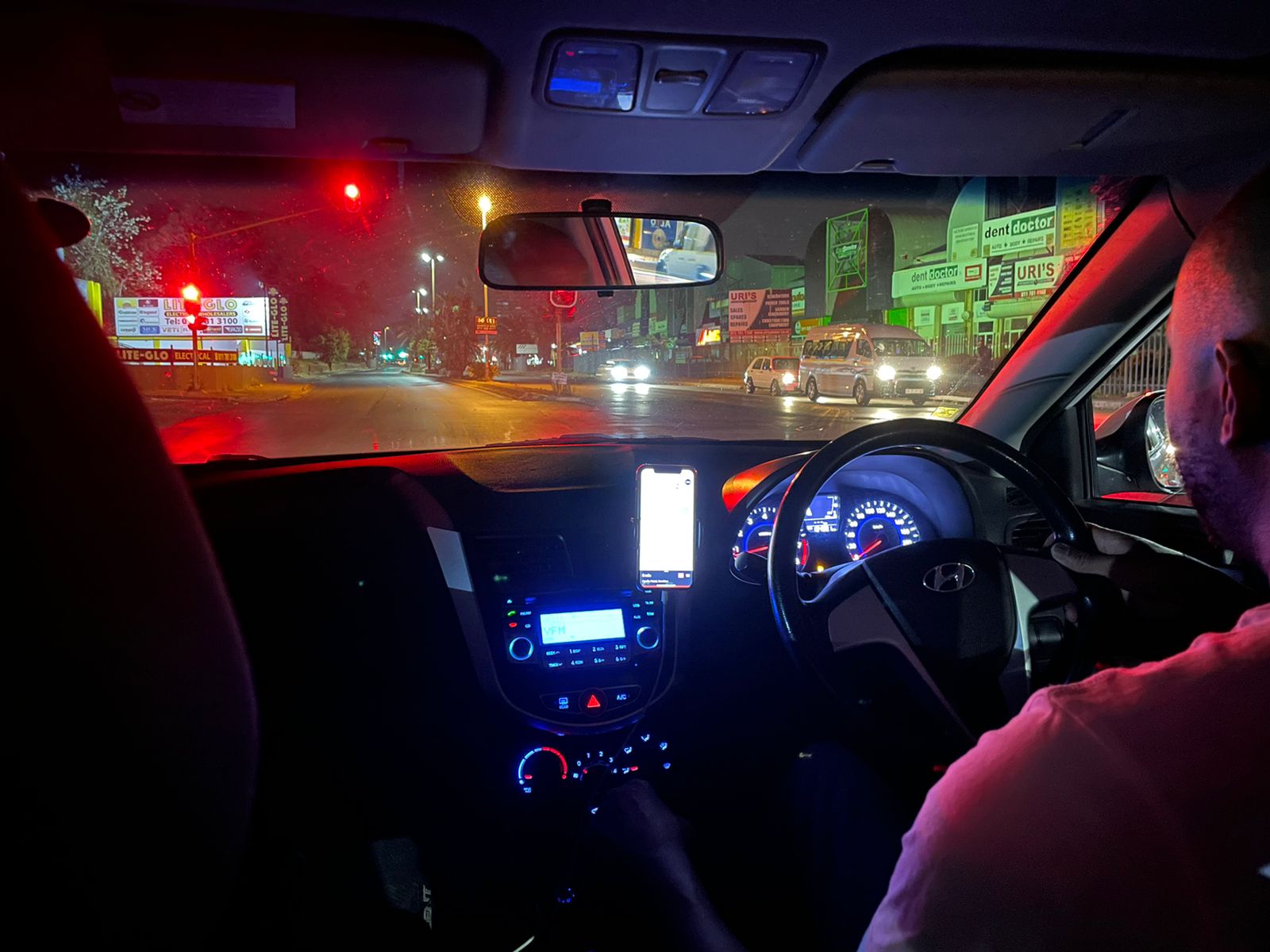
For South Africans, both behind the wheel and in the backseat, something necessary and part of a daily routine is exposing drivers and passengers to risk and vulnerability. With the current challenges driving dissatisfaction in South Africa, the e-hailing sector is increasingly becoming a target of criminals.
Drivers of e-hailing vehicles are being robbed, hijacked, and in the most extreme cases, killed. In one incident a driver was strangled to death mid-trip by passengers. This case was not isolated either. In May, another e-hailing driver was attacked by a passenger who set a trap alongside additional assailants.
The CEO of MasterDrive, Eugene Herbert, noted that the threat does not come from passengers alone. “Multiple individuals have been implicated in intimidation, extortion, and violence. News sources report this is because of hostility toward to foreign-owned platforms which is an issue that is rising in frequency recently.
“The National E-hailing Federation of South Africa states safety measures are often reactive, requiring more robust, enforcement-linked solutions. Yet often the cause of crime committed against e-hailing operators rises from systemic issues which do not have a quick or easy answer. In the meantime, where does this leave drivers and often their passengers when unrest arises and personal safety is at risk?” asks Herbert.
Until a tangible solution is found, drivers and passengers need to take responsibility for their own safety:
For drivers:
- Follow protocols: follow all processes that e-hailing organisations put in place for your safety
- Share your location: keep someone updated on your route and expected return time
- Avoid isolated pick-up points: if a booking is in an unusually dark or in a deserted location, trust your instincts if you are uncomfortable and do not accept the ride
- Keep a dashcam running: a visible, functioning camera is both a deterrent and evidence if something happens
- Upskill yourself: undertake hijack extraction training to reduce your risk and learn what to do if you become a victim of crime
For passengers:
- Always verify: before getting in, confirm the vehicle registration, make, colour, and driver photo match the app exactly
- Sit strategically: do not sit in the front as this prevents you from seeing if people are hiding in the back. This includes placing your luggage in the boot as unwanted passengers could be hiding there too. Sit behind the front passenger seat to have the best view of the route and road ahead
- Share your trip: either in-app trip sharing features or share your location with loved ones
- Stay off your phone: other than to keep an eye on the route, stay off your phone and pay attention to your surroundings
- Trust your instinct: if something seems amiss either within the vehicle or outside, trust your instinct and find a safe location to exit the vehicle as quickly as possible.
- Be discerning about the vehicle: an unroadworthy vehicle can endanger your life more than a possible robbery
E-hailing creates new vulnerabilities that both drivers and passengers need to be aware of. Staying safe on every trip, whether as a driver or passenger, starts with you being aware of your surroundings and taking the necessary precautions.
Holiday rides, rising danger: Expert warns SA e-hailing users ahead of festive spikehttps://t.co/5ueXqSvGTu#ArriveAlive #eHailing #PublicTransport pic.twitter.com/qvRrd20nR1
– Arrive Alive (@_ArriveAlive) November 24, 2025