
World Drowning Prevention Day, a reminder that drowning is a year-round risk, not just a concern during the summer holidays.
While many South Africans associate water safety with beach outings and pool parties, drowning can happen at any time of the year, whether at a swimming pool, dam, river or the sea.
According to the National Sea Rescue Institute (NSRI)*, nearly 1,500 people drown in South Africa each year. Nearly 29% of those who drown are children under the age of 14. Tragically, many of these incidents are entirely preventable.
World Drowning Prevention Day is a global initiative, and the message is particularly relevant in South Africa, where water is never far away, and families often become less vigilant during the colder months.
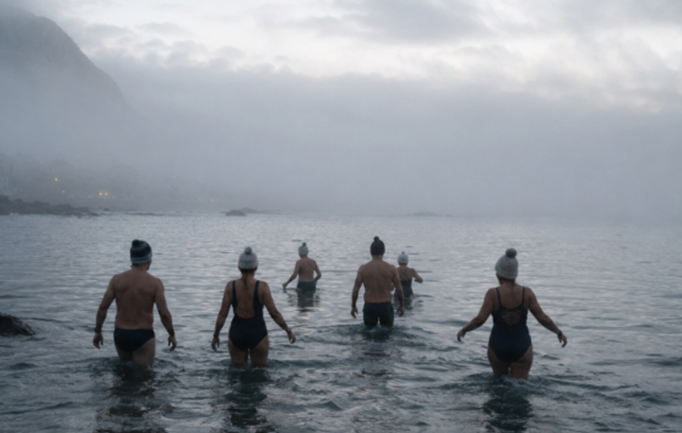
“Many people think of drowning as a summer issue, but emergencies don’t follow the seasons,” says Ruan Vermaak, communication manager at CrisisOnCall. “Whether it’s a swimming pool at home, a farm dam, a river crossing or an organised cold-water swim in the sea, the risks remain throughout the year.
“Sadly, drowning incidents remain one of the most frequent emergency call-outs we deal with. Many of these incidents can be prevented through simple precautions and by being prepared to act quickly,” shares Vermaak.
Simple steps can save lives.
CrisisOnCall’s top seven water safety tips
• Never leave children unattended near water. Drowning is silent and can happen in seconds.
• Secure swimming pools with self-closing gates, compliant fencing and, where appropriate, safety covers.
• Never swim alone, whether in the sea, rivers, dams or swimming pools.
• Avoid alcohol before or during swimming or other water activities.
• Learn CPR and basic first aid. The first few minutes after an incident are critical.
• Keep emergency contact numbers readily available and ensure everyone in the household knows who to call.
• Have a clear emergency response plan, including access to a crisis response service that can immediately coordinate emergency assistance.
“Emergencies happen in seconds. Having a clear emergency response plan and immediate access to professional emergency assistance can make all the difference. It can save a life,” adds Vermaak.
As South Africa marks World Drowning Prevention Day on 25 July, CrisisOnCall encourages every family to take a few moments to review their water safety measures. A few simple precautions today could save a life tomorrow.
For more information about CrisisOnCall, visit www.crisisoncall.co.za or call 0861 57 47 47.
*Sources
• National Sea Rescue Institute (NSRI): Water Safety https://www.nsri.org.za/water-safety/
• NSRI: World Drowning Prevention Day: https://www.nsri.org.za/2025/07/nsri-marks-world-drowning-prevention-day/